Why Does One More Word Help AI Get to the Heart of the Problem?
I often ask AI to help analyze product, design, and engineering problems. Faced with the same product decision, a request such as “analyze this in depth” usually produces sections on users, features, business value, and technical cost. The result looks comprehensive, yet each part often remains at roughly the same depth.
Add “start from first principles,” and the answer begins somewhere else. The model separates known facts from untested assumptions, looks for constraints that cannot be bypassed, and derives a conclusion from those conditions. Several parallel observations begin to organize around a causal line.
Those added words contain no new facts about the project and impose no answer format. The model has not suddenly gained a capability. The input has changed the direction in which its existing knowledge is most likely to unfold. Knowledge, questions, and reasoning associated with first principles become more relevant to this response.
What those few words change is where the answer begins and which knowledge is brought together. Facts, questions, and reasoning moves associated with the concept become more likely to enter the answer together and organize along a clearer path.
A Concept Is a Coordinate in the Knowledge Network
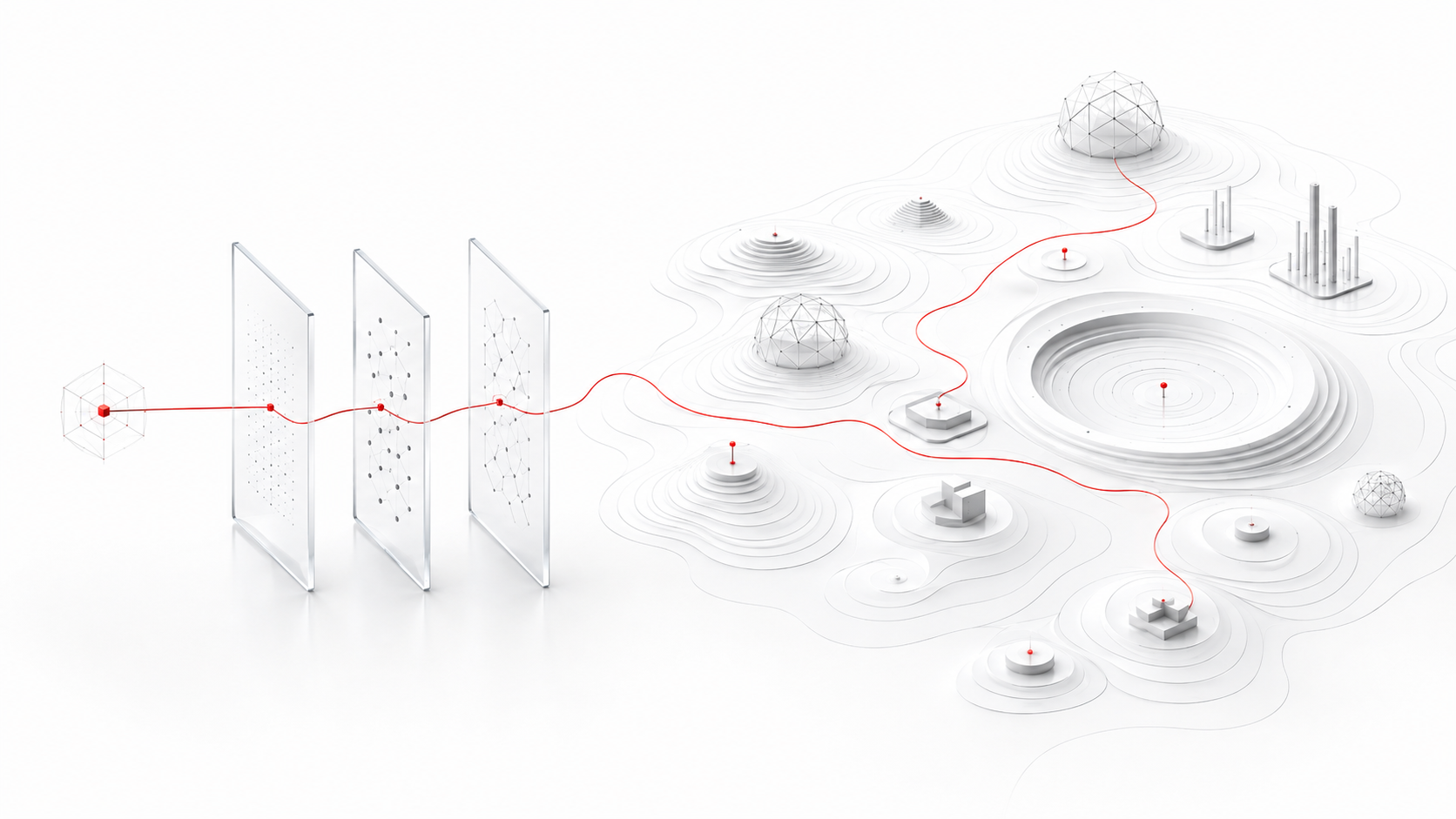
A large language model learns relationships among words across vast amounts of text. The facts, people, cases, disputes, and methods that repeatedly occur around a concept influence how the model continues in the current context. A concept is not stored as an isolated dictionary definition; it points into a region of knowledge formed by many relationships.
“First principles” has long been associated with a set of concrete moves: identify basic facts, separate hidden assumptions, find underlying constraints, and derive again from those constraints. Once the phrase enters a prompt, that knowledge and those reasoning moves are more likely to participate in the answer.
Without the concept, a person might need to write an entire instruction: “Do not inherit the existing conclusion. Separate facts from assumptions, identify constraints that cannot be bypassed, and derive the answer again from those conditions.” The concept compresses that shared knowledge into a few words.
“Opportunity cost” leads toward choices and what must be given up. “Path dependence” leads toward historical decisions and migration resistance. “Threat model” leads toward assets, attack surfaces, and risk paths. Different concepts connect to different parts of world knowledge and give an answer a different place to begin.
When a person says “first principles,” they too are pointing toward facts, assumptions, and constraints. The model unfolds knowledge around the same concept. The two sides do not need to understand the concept in exactly the same way; a shared concept is enough for the conversation to begin in a nearby region of knowledge. This is what it means to enter the same world.
A Vague Request Leaves the Choice to Default Probabilities
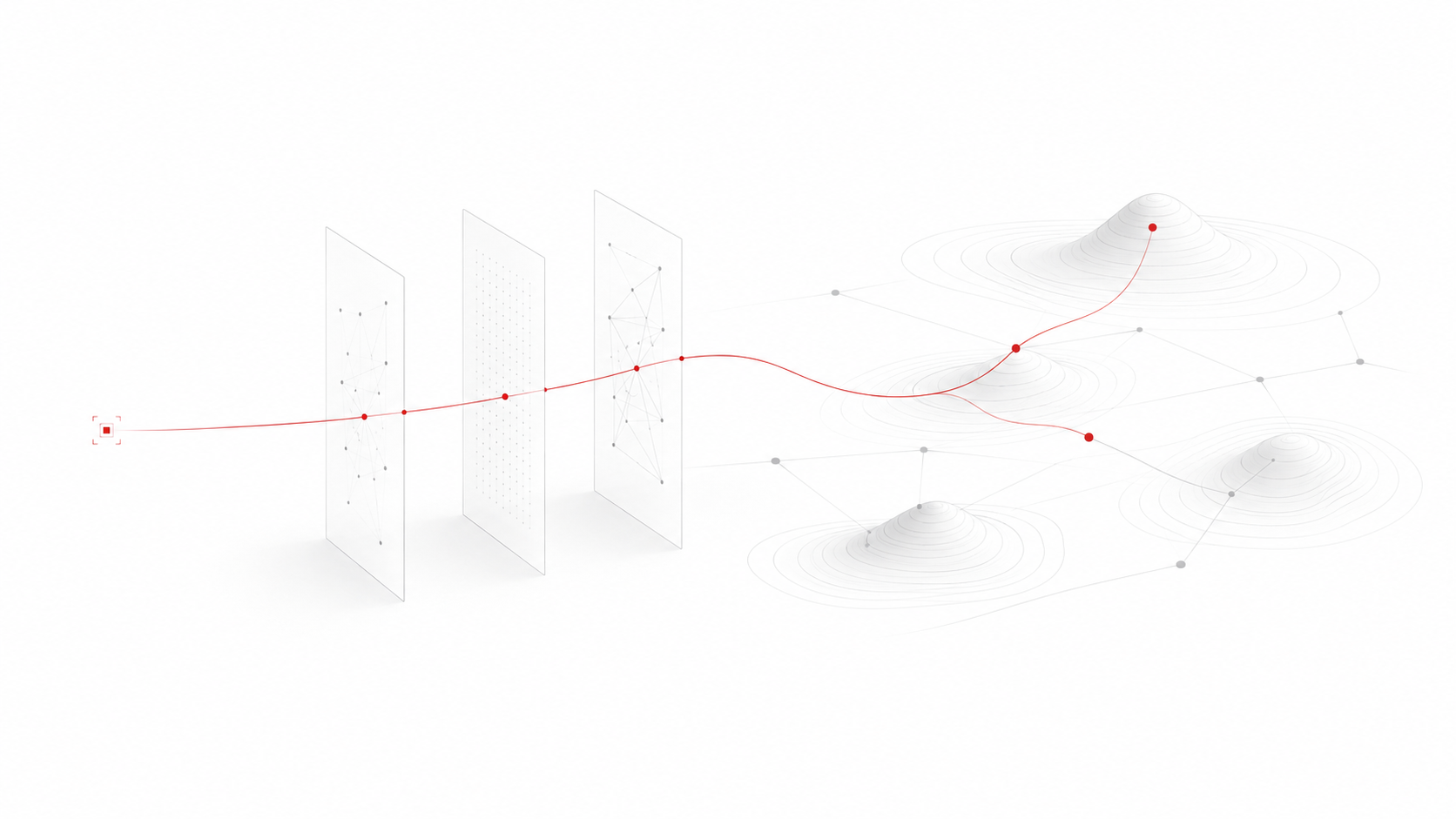
As a model generates an answer, it repeatedly estimates what is most likely to come next given the full context. Once the model, system instructions, context, and decoding settings are fixed, the main variable a user can deliberately change is the input. The input does not dictate every token, but it shapes the distribution from which every next choice is made.
For “analyze this product decision in depth,” user experience, business value, engineering cost, market competition, and project risk are all plausible directions. The prompt gives no reason to enter one path before another, so the model assigns weight according to patterns common in training and cues already present in the context.
From the user's perspective, this resembles drawing from a weighted deck whose weights remain hidden. The draw is not arbitrary—familiar analytical frames are more probable—but the user has not chosen which kind of depth will appear this time. An unusually insightful answer may simply mean that the model happened to enter a knowledge region well matched to the problem.
Temperature controls how the model samples from the current distribution. A higher temperature permits more low-probability paths; a lower one favors the highest-probability paths. Lowering temperature can make output more stable, but it cannot supply a missing direction. A vague question at low temperature often produces the default answer more consistently. Even at a very low temperature, the complete system and execution environment may not guarantee identical text on every run.
A concept changes the distribution rather than the act of drawing. Add “first principles,” and facts, assumptions, and constraints become more relevant. Add “opportunity cost,” and choices and sacrifices become more likely to appear. Add “path dependence,” and historical decisions and lock-in move forward. Temperature affects how the draw is made; the concept affects which cards are easier to draw.

A person does not need to prewrite the answer. More effective control comes from four inputs: the facts at hand, the actual goal, the constraints that cannot be ignored, and the concept you want the model to use as a lens. A vague request leaves direction to the model's defaults. Naming a concept lets the person participate in that choice.
Before You Ask, Decide Where to Begin
A model can identify the problem and choose a method on its own. Given a vague request, however, it usually follows a default path. Much of the human influence happens at the starting point: recognizing what kind of thinking the situation calls for, then using a small amount of information to adjust the model's direction.
“Help me organize my room” readily produces a cleaning checklist. Add “design the storage around how the room is actually used,” and the model shifts toward placement, frequency of use, and upkeep, then continues into a concrete plan.
Saying “first principles” is the same kind of move. A person uses a concept both sides understand to change which knowledge and methods the model prioritizes; the model still carries out the subsequent analysis. One brief upstream adjustment can therefore affect the entire path of the answer.
As models improve, detailed instructions and process-level intervention will diminish. People will need to recognize valuable directions and adjust the model at a few consequential points. What remains is their understanding of their own situation and aims, and their choice of the final result.
A prompt is simply how that directional adjustment appears in the conversation. The real difference begins earlier, when a person already knows what kind of thinking they want the model to pursue.
As Models Do More of the Work, What Sets People Apart?
Models are turning knowledge, methods, and execution into capabilities available on demand. Tasks that still require detailed instructions today may eventually need only an expressed goal, after which the model can decompose the work, choose methods, use tools, and verify the result.
The first change is at the execution layer. Memorizing large bodies of knowledge, mastering standard procedures, and learning elaborate prompting techniques will create less differentiation. As models can complete more of the work, the range of capability each person can mobilize expands.
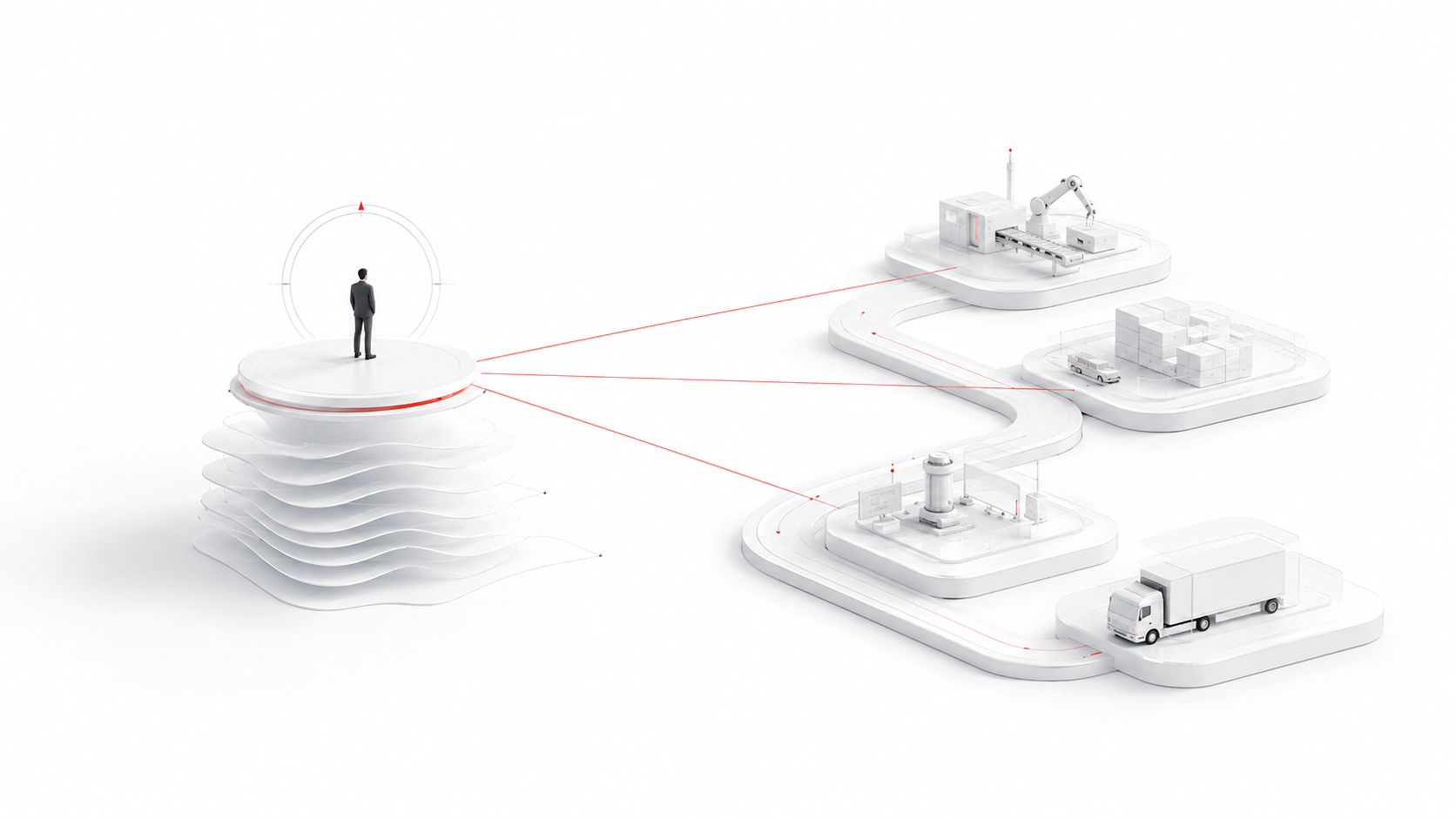
What remains stable is the human connection to reality. What deserves sustained effort, which result fits one's situation, and which consequences one is willing to carry all take shape through lived experience and action. Models can offer many possibilities; people must develop their own standards for choosing among them and keep turning their choices into results.
Human advantage will therefore come increasingly from direction, judgment, and accumulated context. Direction determines where model capability is applied. Judgment determines which results should be adopted. Accumulation turns repeated choices, feedback, and experience into a distinctive context. The same model, embedded in different people's long-term work, gradually comes to support different capabilities.
Concepts become an interface through which context can accumulate. General concepts help the model draw on world knowledge; shared concepts established through long-term collaboration connect personal experience, project context, and earlier decisions. The more stable the context carried by a term, the more work the model can complete independently the next time it appears.
More capable models expand what each person can accomplish. The difference will come from the directions a person chooses, the standards they develop, and their ability to turn accumulated experience into the starting point for the next collaboration.